
Payment processing is a crucial aspect of running a nonprofit organization. It involves the handling of donations, membership fees, event ticket sales, and other financial transactions. Nonprofits rely on these payments to fund their programs and services, so having an efficient and secure payment processing system is essential.
Nonprofits often face unique challenges when it comes to payment processing, such as limited resources, strict regulations, and the need to build trust with donors. However, with the right tools and strategies in place, nonprofits can streamline their payment processing operations and maximize their fundraising efforts.
In this comprehensive guide, we will explore the importance of payment processing for nonprofits, the types of payment processing solutions available, how to choose the right payment processor, best practices for payment processing, common challenges, and frequently asked questions.
Importance of Payment Processing for Nonprofits
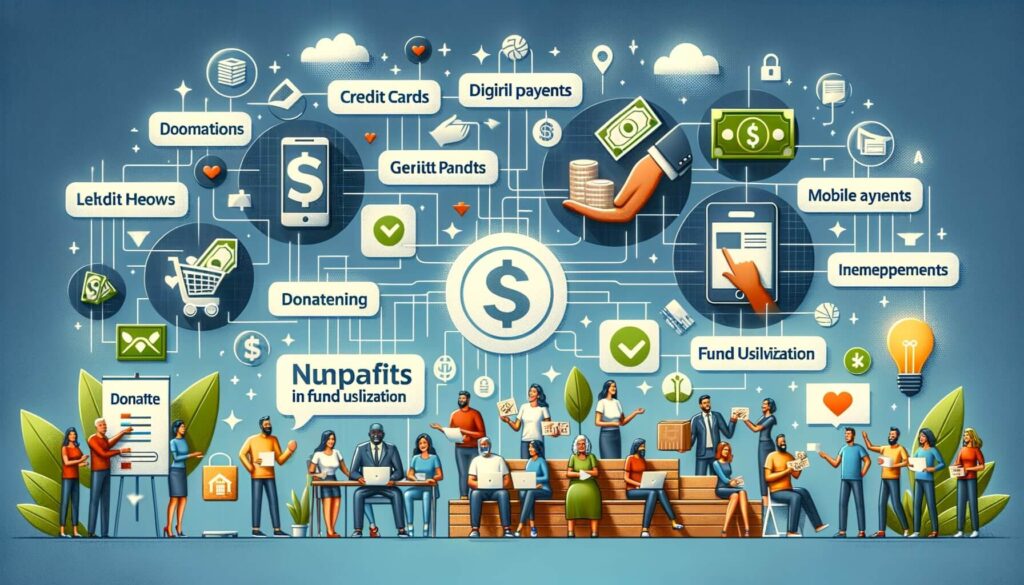
Payment processing plays a critical role in the success of nonprofit organizations. Here are some key reasons why payment processing is important for nonprofits:
1. Fundraising: Payment processing allows nonprofits to accept donations online, making it easier for supporters to contribute to their cause. Online donations have become increasingly popular, with more donors preferring to give electronically rather than through traditional methods like checks or cash.
2. Efficiency: An efficient payment processing system can save nonprofits time and resources by automating tasks like donation tracking, receipt generation, and reporting. This allows nonprofits to focus on their mission and programs rather than manual administrative tasks.
3. Transparency: Transparent payment processing helps build trust with donors by providing clear information about how their donations are being used. Nonprofits that are transparent about their financial transactions are more likely to attract and retain donors.
4. Security: Nonprofits handle sensitive financial information from donors, so it is crucial to have secure payment processing systems in place to protect this data. Compliance with industry standards like PCI DSS (Payment Card Industry Data Security Standard) is essential to safeguard donor information.
5. Accessibility: Offering multiple payment options, such as credit cards, debit cards, ACH transfers, and mobile payments, makes it easier for donors to support nonprofits in a way that is convenient for them. Providing a seamless payment experience can increase donor satisfaction and loyalty.
Types of Payment Processing Solutions for Nonprofits

There are several types of payment processing solutions available for nonprofits, each with its own features and benefits. Here are some common options:
1. Online Payment Gateways: Online payment gateways allow nonprofits to accept donations through their website or online fundraising platforms. These gateways securely process credit card payments in real-time and can be integrated with donor management systems for easy tracking.
2. Mobile Payment Apps: Mobile payment apps like PayPal, Venmo, and Cash App enable nonprofits to accept donations through smartphones and tablets. These apps are convenient for donors who prefer to give on the go and can be used for in-person fundraising events.
3. Virtual Terminals: Virtual terminals are web-based applications that allow nonprofits to manually enter credit card information for phone or mail donations. This is useful for organizations that receive donations through multiple channels and need a centralized system to process payments.
4. Recurring Payment Solutions: Recurring payment solutions enable donors to set up automatic monthly or yearly donations, providing a steady stream of income for nonprofits. This is ideal for membership programs, subscription services, and ongoing fundraising campaigns.
5. Peer-to-Peer Fundraising Platforms: Peer-to-peer fundraising platforms like GoFundMe, Fundly, and Classy allow individuals to create fundraising campaigns on behalf of nonprofits and collect donations from their networks. These platforms leverage social sharing and crowdfunding to reach a wider audience.
Choosing the Right Payment Processor for Your Nonprofit

Selecting the right payment processor is crucial for nonprofits to ensure smooth and secure transactions. Here are some factors to consider when choosing a payment processor:
1. Fees: Compare the processing fees charged by different payment processors, including transaction fees, monthly fees, setup fees, and any additional costs. Look for a processor that offers competitive rates without sacrificing quality service.
2. Security: Verify that the payment processor complies with industry security standards like PCI DSS to protect donor information from fraud and data breaches. Choose a processor that offers encryption, tokenization, and other security features to safeguard transactions.
3. Integration: Ensure that the payment processor can seamlessly integrate with your nonprofit’s website, donor management system, and other software tools. This will streamline the donation process and provide a better user experience for donors.
4. Customer Support: Look for a payment processor that offers responsive customer support to address any issues or questions that may arise. A reliable support team can help troubleshoot technical issues, provide training, and offer guidance on best practices.
5. Reputation: Research the reputation of the payment processor by reading reviews, checking references, and asking other nonprofits for recommendations. Choose a processor with a proven track record of reliability, transparency, and ethical business practices.
Setting Up Payment Processing for Your Nonprofit
Once you have selected a payment processor, it is time to set up payment processing for your nonprofit. Here are the steps to follow:
1. Create an Account: Sign up for an account with the chosen payment processor and provide the necessary information about your nonprofit, including your tax-exempt status, banking details, and contact information.
2. Integrate with Your Website: If you are accepting online donations, integrate the payment processor with your website using a secure payment gateway. This will allow donors to make donations directly through your website.
3. Customize Donation Forms: Customize donation forms with your nonprofit’s branding, messaging, and suggested donation amounts to encourage donors to give. Make sure the forms are mobile-responsive and easy to use for a seamless donation experience.
4. Test Transactions: Conduct test transactions to ensure that the payment processor is functioning correctly and that donations are being processed accurately. Test different payment methods, donation amounts, and scenarios to identify any issues.
5. Monitor Performance: Monitor the performance of your payment processing system regularly to track donation trends, identify areas for improvement, and optimize your fundraising strategy. Use reporting tools provided by the payment processor to analyze donation data.
Best Practices for Payment Processing for Nonprofits
To maximize the effectiveness of your payment processing operations, consider implementing the following best practices:
1. Offer Multiple Payment Options: Provide donors with a variety of payment options, including credit cards, debit cards, ACH transfers, and mobile payments, to accommodate different preferences and increase donation conversions.
2. Optimize Donation Forms: Simplify donation forms by reducing the number of fields required, using clear and concise language, and providing suggested donation amounts. Make sure the forms are easy to navigate on both desktop and mobile devices.
3. Promote Recurring Donations: Encourage donors to set up recurring donations by highlighting the benefits of ongoing support, such as sustainability, impact, and convenience. Offer incentives like exclusive content or recognition for recurring donors.
4. Personalize Thank-You Messages: Send personalized thank-you messages to donors after they make a donation to show appreciation for their support. Include details about how their donation will be used and invite them to stay engaged with your nonprofit.
5. Stay Compliant: Stay up to date with regulations governing payment processing for nonprofits, such as PCI DSS, IRS guidelines for tax-exempt organizations, and state fundraising laws. Ensure that your payment processing practices comply with these regulations to avoid penalties.
Common Challenges in Payment Processing for Nonprofits
Despite the benefits of payment processing, nonprofits may encounter challenges in managing their financial transactions. Some common challenges include:
1. Limited Resources: Nonprofits often have limited staff, time, and budget to dedicate to payment processing, leading to inefficiencies and errors. Investing in automated tools and outsourcing certain tasks can help alleviate resource constraints.
2. Donor Trust: Building trust with donors is essential for nonprofits, and any issues with payment processing, such as security breaches or payment errors, can erode donor confidence. Implementing secure payment systems and transparent practices can help maintain trust.
3. Data Management: Nonprofits collect a significant amount of donor data through payment processing, which must be managed securely and in compliance with privacy regulations. Implementing data protection measures like encryption and access controls is crucial.
4. Technical Issues: Payment processing systems may experience technical issues like downtime, slow processing times, or integration errors, disrupting donation flow. Having a contingency plan in place and working closely with the payment processor’s support team can help resolve technical issues quickly.
5. Fraud Prevention: Nonprofits are vulnerable to fraud through payment processing, such as unauthorized transactions, phishing scams, or identity theft. Implementing fraud prevention measures like monitoring transactions, using secure authentication methods, and educating staff can mitigate risks.
FAQs about Payment Processing for Nonprofits
Q: What is the difference between a payment processor and a payment gateway?
A: A payment processor is a service provider that facilitates transactions between a donor’s bank and the nonprofit’s bank, while a payment gateway is a software application that securely transmits payment information between the donor’s device and the processor.
Q: Can nonprofits accept donations through social media platforms?
A: Yes, many social media platforms like Facebook, Instagram, and Twitter offer donation features that allow nonprofits to collect donations directly through their profiles. These platforms may partner with payment processors to process transactions.
Q: How can nonprofits protect donor information during payment processing?
A: Nonprofits can protect donor information by using secure payment processing systems with encryption, tokenization, and other security features. Compliance with industry standards like PCI DSS is essential to safeguard sensitive data.
Q: What is the average processing fee for online donations?
A: The average processing fee for online donations typically ranges from 2% to 3% of the transaction amount, plus a flat fee per transaction. However, fees may vary depending on the payment processor and the type of donation.
Q: How can nonprofits increase donor retention through payment processing?
A: Nonprofits can increase donor retention by offering personalized thank-you messages, providing regular updates on how donations are being used, and encouraging recurring donations. Building relationships with donors through transparent communication can foster loyalty.
Conclusion
Payment processing is a critical component of nonprofit operations, enabling organizations to accept donations, streamline transactions, and build trust with donors. By choosing the right payment processor, setting up secure payment systems, and implementing best practices, nonprofits can optimize their fundraising efforts and achieve their mission more effectively.
It is essential for nonprofits to stay informed about the latest trends and technologies in payment processing, comply with regulations, and prioritize donor satisfaction to ensure long-term success. By addressing common challenges, leveraging innovative solutions, and engaging donors through transparent communication, nonprofits can maximize their impact and create lasting change in their communities.