By Karen JFritz May 8, 2025
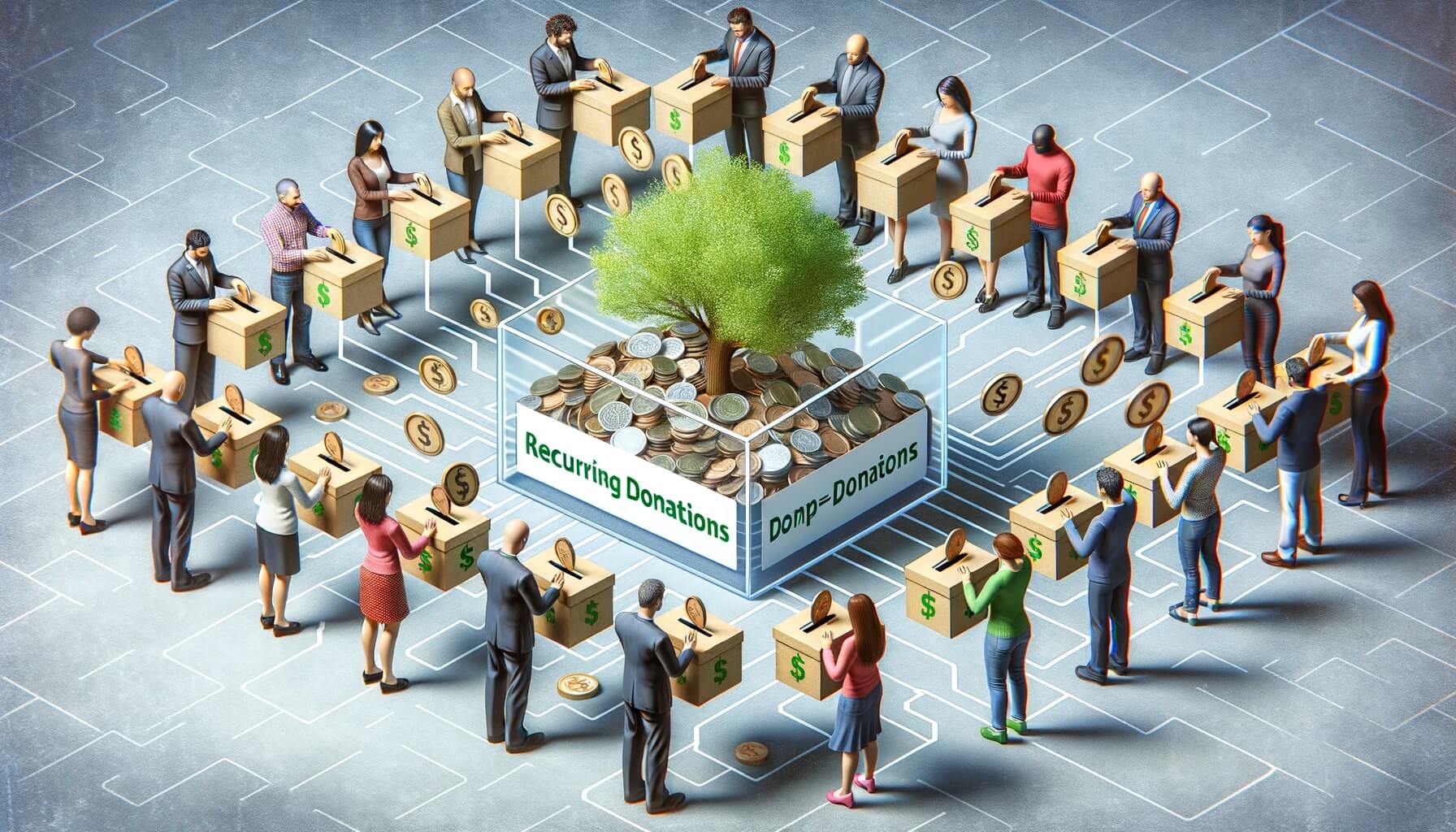
Recurring donations are a crucial aspect of nonprofit fundraising, providing a steady and reliable source of income for organizations to support their missions and programs.
In this comprehensive guide, we will explore the importance of recurring donations for nonprofits, the impact they have on donor retention, the platform features needed to set them up effectively, messaging strategies to encourage donors to give regularly, the technical implementation of recurring donation systems, the benefits they offer to nonprofit organizations, common challenges in setting them up, FAQs about recurring donations, tips for maximizing their impact, and the future of recurring donations in nonprofit fundraising.
The Importance of Recurring Donations for Nonprofits
Recurring donations play a vital role in the financial sustainability of nonprofit organizations. Unlike one-time donations, which provide a lump sum of money at a single point in time, recurring donation offer a predictable and consistent stream of income that nonprofits can rely on to fund their programs and operations. This steady revenue stream allows organizations to plan ahead, budget effectively, and invest in long-term projects that have a lasting impact on their communities.
Moreover, recurring donations help nonprofits build a loyal base of supporters who are committed to their cause and are more likely to stay engaged with the organization over time. By encouraging donors to give regularly, nonprofits can cultivate strong relationships with their supporters, deepen their connection to the mission, and inspire them to become advocates for the organization within their own networks.
Donor Retention Impact of Recurring Donations
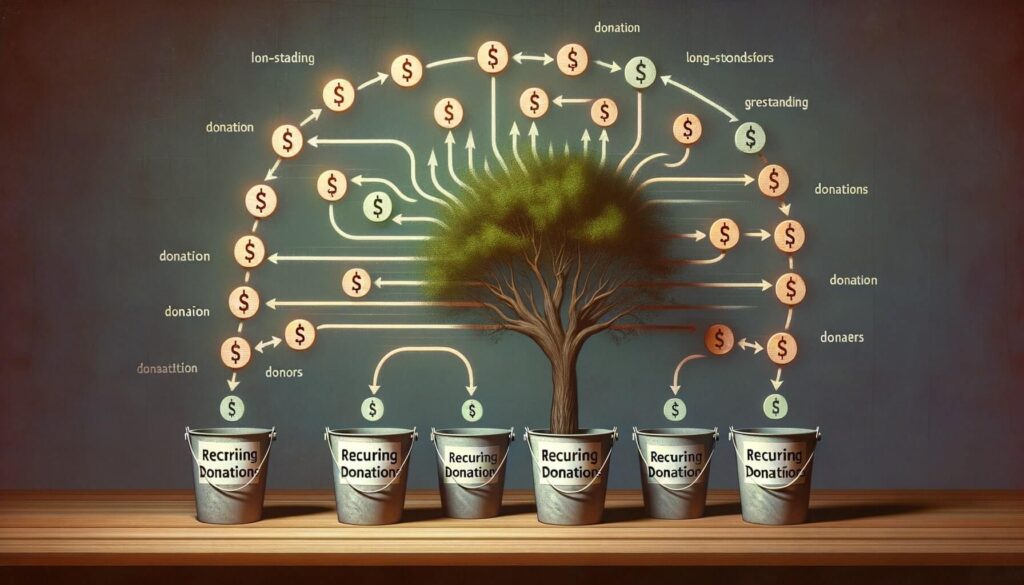
One of the key benefits of recurring donations is their positive impact on donor retention. According to research, donors who give on a recurring basis are more likely to continue supporting an organization over time compared to those who make one-time donations. This is because recurring donors have already demonstrated their commitment to the cause and are more invested in the organization’s success.
In fact, studies have shown that the retention rate for recurring donors is significantly higher than that of one-time donors. For example, a report by the Association of Fundraising Professionals found that the average retention rate for recurring donors is around 90%, compared to just 45% for one-time donors. This highlights the importance of cultivating a base of recurring donors to ensure the long-term sustainability of a nonprofit organization.
Platform Features Needed for Setting Up Recurring Donations
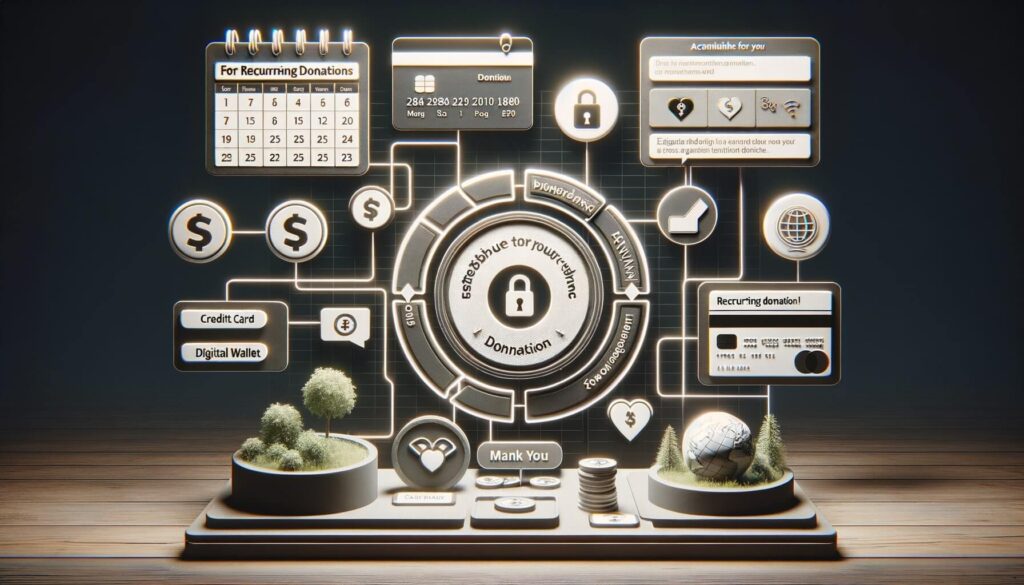
When setting up recurring donations, nonprofits need to choose a fundraising platform that offers the necessary features to support this type of giving. Some key platform features to look for include:
1. Recurring donation options: The platform should allow donors to easily set up recurring donation on a schedule that works for them, whether it’s monthly, quarterly, or annually.
2. Donor management tools: The platform should provide tools for nonprofits to track and manage their recurring donors, including the ability to update payment information, send personalized communications, and analyze donor data.
3. Reporting and analytics: The platform should offer robust reporting and analytics capabilities to help nonprofits track the performance of their recurring donation campaigns, identify trends, and make data-driven decisions to optimize their fundraising efforts.
4. Integration with other systems: The platform should be able to integrate with other systems that nonprofits use, such as CRM software, email marketing tools, and accounting software, to streamline operations and ensure data consistency across platforms.
By choosing a fundraising platform that offers these features, nonprofits can effectively set up and manage their recurring donation programs to maximize their impact and drive sustainable growth.
Messaging Strategies to Encourage Recurring Donations
In order to encourage donors to give on a recurring basis, nonprofits need to develop compelling messaging strategies that highlight the benefits of recurring donations and inspire donors to make a long-term commitment to the organization. Some effective messaging strategies to consider include:
1. Emphasize impact: Communicate the tangible impact that recurring donations have on the organization’s programs and the communities they serve. Show donors how their regular contributions make a difference and help achieve the organization’s mission.
2. Tell stories: Share stories of individuals who have benefited from the organization’s work, thanks to the support of recurring donors. Personalize the impact of recurring donation by showcasing real-life examples of how they have changed lives for the better.
3. Create a sense of urgency: Use urgency in your messaging to encourage donors to take action and sign up for recurring donations. Highlight the immediate need for support and the importance of ongoing contributions to sustain the organization’s work.
4. Offer incentives: Consider offering incentives to donors who sign up for recurring donations, such as exclusive content, special events, or recognition in donor communications. These incentives can help motivate donors to give regularly and feel valued for their support.
By incorporating these messaging strategies into their fundraising campaigns, nonprofits can effectively communicate the value of recurring donations to donors and inspire them to make a lasting impact through their ongoing support.
Technical Implementation of Recurring Donation Systems
Setting up a recurring donation system requires careful technical implementation to ensure a seamless donor experience and efficient management of recurring donations. Some key technical considerations to keep in mind include:
1. Payment processing: Choose a secure payment processor that supports recurring donations and offers flexible payment options for donors, such as credit card, ACH, and PayPal. Ensure that the payment processor complies with industry standards for data security and encryption to protect donors’ sensitive information.
2. Donation forms: Design user-friendly donation forms that make it easy for donors to set up recurring donations in just a few clicks. Optimize the form for mobile devices and provide clear instructions on how to select the recurring donation frequency and amount.
3. Donor accounts: Create donor accounts on your fundraising platform where donors can manage their recurring donations, update their payment information, and view their giving history. Provide a secure login portal for donors to access their accounts and make changes as needed.
4. Communication automation: Set up automated email communications to thank donors for their recurring donations, provide updates on the impact of their support, and remind them of upcoming payments. Personalize these communications to make donors feel appreciated and engaged with the organization.
By paying attention to these technical details and ensuring a smooth donor experience, nonprofits can successfully implement a recurring donation system that drives sustainable revenue growth and fosters long-term relationships with donors.
Benefits of Recurring Donations for Nonprofit Organizations
Recurring donations offer a wide range of benefits to nonprofit organizations, including:
1. Predictable revenue: Recurring donations provide a steady and reliable source of income that nonprofits can count on to fund their programs and operations. This predictable revenue stream allows organizations to plan ahead, budget effectively, and invest in long-term projects with confidence.
2. Increased donor retention: Recurring donations have been shown to improve donor retention rates, as donors who give regularly are more likely to continue supporting an organization over time. By cultivating a base of recurring donors, nonprofits can build strong relationships with supporters and inspire them to stay engaged with the organization’s mission.
3. Cost-effective fundraising: Recurring donations are a cost-effective fundraising strategy, as they require less time and resources to acquire and process compared to one-time donations. By encouraging donors to give regularly, nonprofits can reduce their fundraising costs and maximize the impact of each donor’s contribution.
4. Long-term sustainability: By diversifying their revenue streams with recurring donations, nonprofits can achieve greater financial stability and long-term sustainability. This steady income stream allows organizations to weather economic downturns, adapt to changing circumstances, and continue their work in the face of uncertainty.
Overall, recurring donations offer a range of benefits to nonprofit organizations that can help them achieve their fundraising goals, build stronger relationships with donors, and make a lasting impact on their communities.
Common Challenges in Setting Up Recurring Donations
While recurring donations offer many benefits to nonprofits, there are also common challenges that organizations may face when setting up and managing recurring donation programs. Some of the most common challenges include:
1. Donor education: Many donors may not be familiar with the concept of recurring donations or may have concerns about committing to regular giving. Nonprofits need to educate donors about the benefits of recurring donations and address any questions or hesitations they may have.
2. Payment processing issues: Managing recurring donations requires a reliable payment processing system that can handle recurring payments securely and efficiently. Nonprofits may encounter issues with declined payments, expired credit cards, or other payment processing challenges that can impact the success of their recurring donation program.
3. Donor communication: Maintaining regular communication with recurring donors is essential to keep them engaged and informed about the impact of their support. Nonprofits may struggle to create personalized and timely communications that resonate with donors and inspire them to continue giving.
4. Technical integration: Setting up a recurring donation system requires technical integration with payment processors, CRM software, and other systems that nonprofits use. Ensuring seamless integration between these systems can be a complex process that requires careful planning and coordination.
By addressing these common challenges proactively and implementing best practices for managing recurring donations, nonprofits can overcome obstacles and maximize the impact of their recurring donation programs.
Tips for Maximizing Recurring Donations
To maximize the impact of recurring donations, nonprofits can follow these tips:
1. Offer multiple donation frequencies: Provide donors with options to give on a monthly, quarterly, or annual basis to accommodate their preferences and budget constraints.
2. Provide transparency: Be transparent about how recurring donations are used and the impact they have on the organization’s programs. Show donors the tangible results of their support to build trust and inspire continued giving.
3. Simplify the donation process: Make it easy for donors to set up and manage recurring donations through a user-friendly online portal or donation form. Minimize the number of steps required to complete the donation process to reduce friction and increase conversion rates.
4. Express gratitude: Thank recurring donors regularly and express gratitude for their ongoing support. Show donors that their contributions are valued and make a difference in the organization’s work.
5. Monitor performance: Track the performance of your recurring donation program regularly and analyze key metrics such as donor retention rates, donation frequency, and average gift size. Use this data to identify areas for improvement and optimize your fundraising strategy.
By implementing these tips, nonprofits can enhance the effectiveness of their recurring donation programs and drive sustainable growth in their fundraising efforts.
FAQs About Recurring Donations for Nonprofits
Q1. What is a recurring donation?
Answer: A recurring donation is a type of donation that is set up to be automatically processed on a regular schedule, such as monthly, quarterly, or annually. Donors can choose the frequency and amount of their recurring donations and can typically manage their donations through an online portal.
Q2. How do recurring donations benefit nonprofits?
Answer: Recurring donations provide a steady and reliable source of income for nonprofits, allowing them to plan ahead, budget effectively, and invest in long-term projects. Recurring donations also improve donor retention rates and help nonprofits build strong relationships with supporters over time.
Q3. How can nonprofits encourage donors to give on a recurring basis?
Answer: Nonprofits can encourage donors to give on a recurring basis by highlighting the impact of recurring donations, telling stories of individuals who have benefited from their support, creating a sense of urgency in their messaging, and offering incentives to donors who sign up for recurring donations.
Q4. What are some common challenges in setting up recurring donations?
Answer: Some common challenges in setting up recurring donations include donor education, payment processing issues, donor communication, and technical integration with other systems. Nonprofits need to address these challenges proactively to ensure the success of their recurring donation programs.
Q5. How can nonprofits maximize the impact of recurring donations?
Answer: Nonprofits can maximize the impact of recurring donations by implementing best practices for donor communication, ensuring seamless technical integration, monitoring and analyzing donor data, and continuously optimizing their recurring donation programs based on feedback and performance metrics.
By addressing these frequently asked questions about recurring donations, nonprofits can provide donors with the information they need to understand the benefits of recurring giving and make informed decisions about supporting their organization on a regular basis.
Conclusion
Recurring donations are a powerful fundraising strategy that offers numerous benefits to nonprofit organizations, including predictable revenue, increased donor retention, cost-effective fundraising, and long-term sustainability. By setting up and managing recurring donation programs effectively, nonprofits can build strong relationships with donors, drive sustainable growth, and make a lasting impact on their communities.
As technology continues to evolve and donor expectations change, the future of recurring donations in nonprofit fundraising looks promising. With advances in payment processing technology, donor management software, and communication tools, nonprofits have more opportunities than ever to engage donors in regular giving and cultivate a loyal base of supporters who are committed to their cause.
By embracing best practices for setting up and managing recurring donation programs, nonprofits can harness the power of recurring donations to drive sustainable revenue growth, deepen donor relationships, and achieve their fundraising goals. As the nonprofit sector continues to evolve, recurring donations will play an increasingly important role in helping organizations thrive and make a difference in the world.