By Karen JFritz May 8, 2025
Nonprofit organizations, particularly those with 501(c)(3) status, rely heavily on fundraising to support their missions and programs. In today’s digital age, there are various tools and platforms available to help these organizations raise funds more effectively. Two popular options are fundraising platforms and merchant accounts. While both serve the purpose of processing donations, they have distinct differences in terms of functionality, fees, and features.
In this comprehensive guide, we will explore the differences between fundraising platforms and merchant accounts for 501(c)(3)s. We will delve into the benefits of using fundraising platforms, how merchant accounts work for nonprofit organizations, the pros and cons of each option, key differences between the two, and how to choose the right option for your nonprofit. We will also address frequently asked questions to provide a thorough understanding of these fundraising tools.
Understanding Fundraising Platforms for Nonprofits
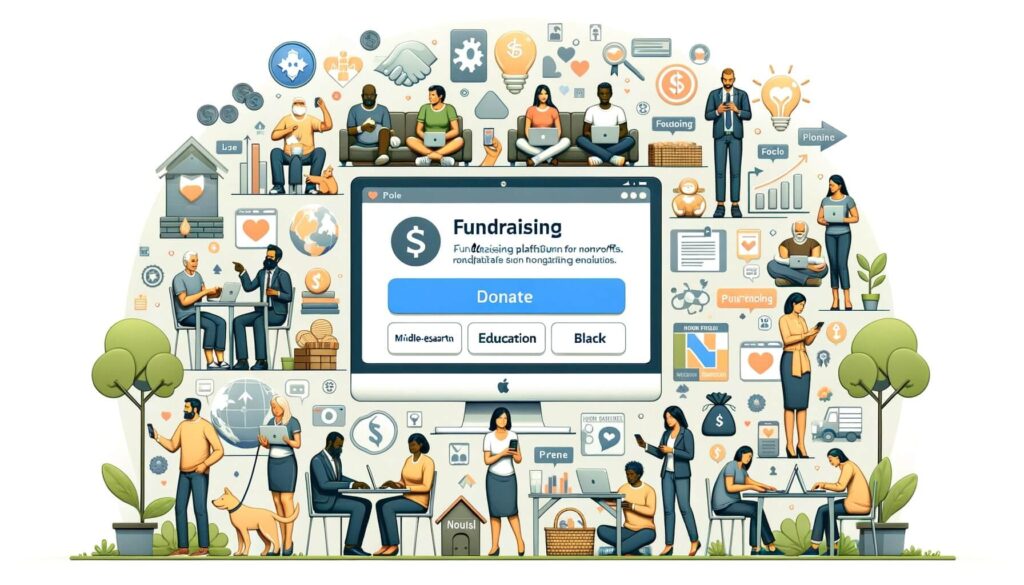
Fundraising platforms are online tools that enable nonprofits to collect donations from supporters through various channels such as websites, social media, and email campaigns. These platforms provide a user-friendly interface for donors to make secure donations using credit cards, debit cards, or other payment methods. Fundraising platforms often offer additional features such as peer-to-peer fundraising, event ticketing, and donor management tools.
One of the key benefits of using fundraising platforms is the ability to reach a wider audience and engage supporters through multiple channels. These platforms make it easy for nonprofits to create customized donation pages, track donor data, and analyze fundraising performance. Additionally, fundraising platforms typically have lower processing fees compared to traditional payment processors, making them a cost-effective solution for nonprofits.
Benefits of Using Fundraising Platforms for 501(c)(3)s

There are several benefits to using fundraising platforms for 501(c)(3)s. Some of the key advantages include:
1. Increased Reach: Fundraising platforms allow nonprofits to reach a larger audience of potential donors through online channels such as social media and email campaigns.
2. User-Friendly Interface: Fundraising platforms provide an intuitive interface for donors to make secure donations quickly and easily.
3. Customization Options: Nonprofits can customize donation pages with their branding, messaging, and images to create a personalized donor experience.
4. Donor Management Tools: Fundraising platforms offer tools to track donor data, analyze fundraising performance, and segment donors for targeted campaigns.
5. Lower Processing Fees: Fundraising platforms typically have lower processing fees compared to traditional payment processors, saving nonprofits money on transaction costs.
Overall, fundraising platforms offer a comprehensive solution for nonprofits to streamline their fundraising efforts, engage donors effectively, and maximize donations.
How Merchant Accounts Work for Nonprofit Organizations

Merchant accounts are traditional payment processing solutions that enable nonprofits to accept credit card payments directly on their websites or in-person. A merchant account is a type of bank account that allows organizations to process credit card transactions securely and efficiently. Nonprofits can set up merchant accounts with payment processors such as PayPal, Stripe, or Square to accept donations online or through mobile devices.
Merchant accounts work by securely processing credit card transactions in real-time, verifying the cardholder’s information, and transferring funds to the nonprofit’s bank account. Nonprofits can integrate merchant accounts with their websites or fundraising platforms to accept donations seamlessly. Merchant accounts also provide reporting tools to track transaction history, reconcile payments, and manage chargebacks.
Pros and Cons of Using Merchant Accounts for Fundraising
There are several pros and cons to consider when using merchant accounts for fundraising as a nonprofit organization. Some of the advantages include:
1. Direct Payment Processing: Merchant accounts enable nonprofits to process credit card payments directly on their websites or in-person, providing a seamless donation experience for donors.
2. Real-Time Transactions: Merchant accounts process transactions in real-time, allowing nonprofits to receive funds quickly and efficiently.
3. Customization Options: Nonprofits can customize payment forms and checkout pages to align with their branding and messaging, creating a cohesive donor experience.
4. Reporting Tools: Merchant accounts offer reporting tools to track transaction history, monitor payment activity, and generate financial reports for accounting purposes.
However, there are also some drawbacks to using merchant accounts for fundraising, including:
1. Higher Processing Fees: Merchant accounts typically have higher processing fees compared to fundraising platforms, which can eat into nonprofits’ fundraising revenue.
2. Technical Integration: Setting up and integrating a merchant account with a website or fundraising platform may require technical expertise and ongoing maintenance.
3. Security Concerns: Merchant accounts are subject to security risks such as data breaches and fraud, requiring nonprofits to implement robust security measures to protect donor information.
Fundraising Platforms vs. Merchant Accounts: Key Differences
While both fundraising platforms and merchant accounts serve the purpose of processing donations for nonprofits, they have distinct differences in terms of functionality, fees, and features. Some key differences between the two include:
Purpose and Use Case
| Feature | Fundraising Platform | Merchant Account |
|---|---|---|
| Main Function | Campaign creation & donor engagement | Direct payment processing |
| Ideal For | Nonprofits looking for a ready-made solution | Tech-savvy organizations or large nonprofits |
| Setup Complexity | Low (plug-and-play) | Medium to high (requires integration) |
| Customization | Limited to platform design | Full control over UI/UX |
Fees and Pricing
| Fee Type | Fundraising Platform | Merchant Account |
|---|---|---|
| Monthly Fee | Sometimes (e.g., $0–$100+) | Often (especially with advanced features) |
| Transaction Fee | Usually higher (3%–8%) | Lower if high volume (as low as 1.9% + $0.30) |
| Setup Fee | Often free | May apply |
| Withdrawal Time | Can be delayed (2–7 days) | Often faster (1–3 days) |
Branding and Donor Experience
| Category | Fundraising Platform | Merchant Account |
|---|---|---|
| Branded Pages | Limited customization | Fully branded options |
| Donor Journey | Platform controls layout | Organization controls every touchpoint |
| Email/CRM Integration | Built-in tools | Requires third-party integration |
Technical Integration
| Feature | Fundraising Platform | Merchant Account |
|---|---|---|
| API Access | Rare | Common |
| Website Integration | Plug-and-play | Requires development |
| Mobile Payments | Often included | Must be configured |
Choosing the Right Option for Your Nonprofit Organization
When deciding between fundraising platforms and merchant accounts for your nonprofit organization, it’s essential to consider your specific fundraising needs, budget, and technical capabilities. Here are some factors to consider when choosing the right option:
1. Fundraising Goals: Determine your fundraising goals and objectives to identify which platform aligns best with your organization’s mission and programs.
2. Budget Constraints: Evaluate the processing fees, setup costs, and ongoing maintenance fees associated with fundraising platforms and merchant accounts to determine the most cost-effective solution.
3. Technical Expertise: Assess your organization’s technical capabilities and resources to determine if you have the expertise to set up and integrate a merchant account with your website or fundraising platform.
4. Donor Experience: Consider the donor experience and user-friendliness of each platform to ensure a seamless donation process for supporters.
5. Reporting and Analytics: Evaluate the reporting tools, analytics, and donor management features offered by each platform to track fundraising performance and optimize campaigns.
Ultimately, the right option for your nonprofit organization will depend on your unique needs, goals, and resources. It may be beneficial to test both fundraising platforms and merchant accounts to determine which solution works best for your organization.
Frequently Asked Questions about Fundraising Platforms and Merchant Accounts
Q1. What are the typical processing fees associated with fundraising platforms and merchant accounts?
Answer: Fundraising platforms typically charge processing fees ranging from 2% to 5% per transaction, while merchant accounts may have processing fees of 2.9% plus $0.30 per transaction.
Q2. Can nonprofits use both fundraising platforms and merchant accounts simultaneously?
Answer: Yes, nonprofits can use both fundraising platforms and merchant accounts simultaneously to offer donors multiple payment options and maximize fundraising opportunities.
Q3. How secure are fundraising platforms and merchant accounts in protecting donor information?
Answer: Both fundraising platforms and merchant accounts prioritize security measures such as encryption, tokenization, and PCI compliance to protect donor information and prevent fraud.
Q4. Are there any setup costs or monthly fees associated with fundraising platforms and merchant accounts?
Answer: Some fundraising platforms may have setup costs or monthly fees for premium features, while merchant accounts may have setup fees and monthly processing fees depending on the payment processor.
Q5. Can nonprofits customize donation pages and branding on both fundraising platforms and merchant accounts?
Answer: Fundraising platforms typically offer more customization options for donation pages, branding, and messaging compared to merchant accounts, which may have limited customization features.
Conclusion
In conclusion, fundraising platforms and merchant accounts are valuable tools for nonprofit organizations with 501(c)(3) status to raise funds effectively and efficiently. While both options serve the purpose of processing donations, they have distinct differences in terms of functionality, fees, and features. Fundraising platforms offer a user-friendly interface, lower processing fees, and robust donor management tools, making them a cost-effective solution for nonprofits.
On the other hand, merchant accounts provide direct payment processing, customization options, and real-time transactions, but may come with higher processing fees and technical integration requirements.
When choosing the right option for your nonprofit organization, it’s essential to consider your fundraising goals, budget constraints, technical expertise, donor experience, and reporting needs. By evaluating these factors and testing both fundraising platforms and merchant accounts, you can make an informed decision that aligns with your organization’s mission and maximizes fundraising opportunities. Ultimately, the key to success lies in selecting the fundraising tool that best meets your unique needs and empowers you to make a positive impact in your community.